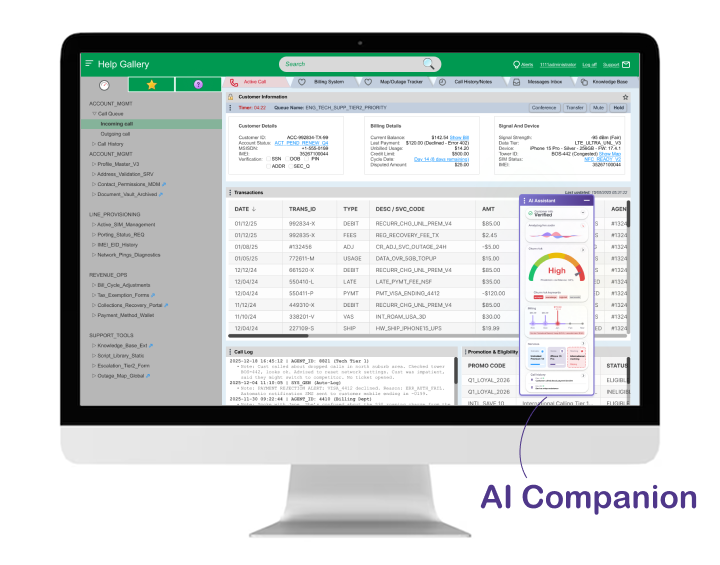
AI-Powered Agent Companion

Transforming Telecom Support from Cost Center to Revenue Driver

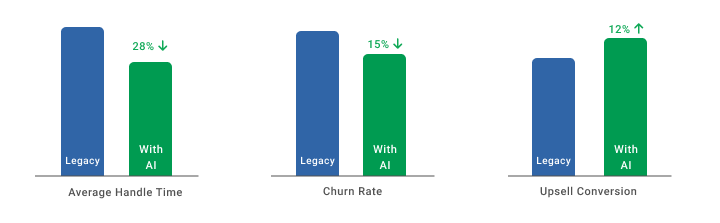
Before and after business results​

Note: Because of the non-disclosure agreement, some of the information on this page has been replaced with fictitious ones or has been blurred out


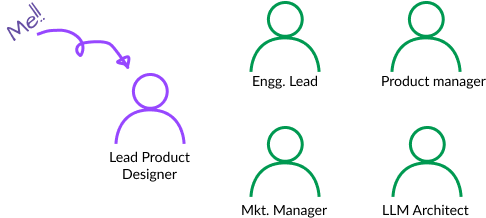
Core product team responsible for decisions​

Problem: Call quality crisis


Problem: Confusing UI is actively stealing 45% time from the human interaction.

The call center is the Final Safety Net for retention.

SecResearch2

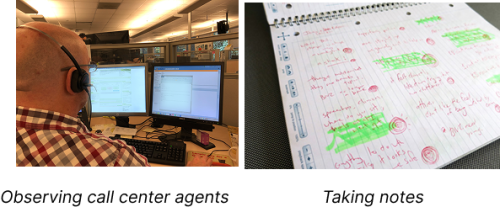
Secondary research: Observing agents' behaviour and analyzing data

Top findings from Secondary research

Top three painpoints from secondary research

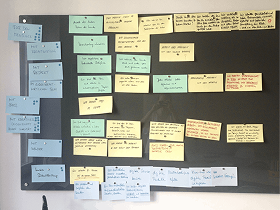
Workshop: Solution mapping

  • Participants: UX (Lead), AI Engineering, Data Architect, and Call Center Floor Manager.

  • The Problem: Finding the AI capabilities and limitations.

  • The Strategy: Not reworking the existing UI

  • The Outcome: We determined that manual data retrieval was the primary bottleneck. AI was selected to automate the ‘Information Hunt,’ allowing agents to focus 100% on the customer’s emotional state.

Why Not Just Redesign the UI?


A full UI redesign would take 2 years and wouldn't solve for the 'Information Scavenging' problem.
I proposed an AI-first layer to solve for AHT and Retention immediately while the legacy systems remain intact.

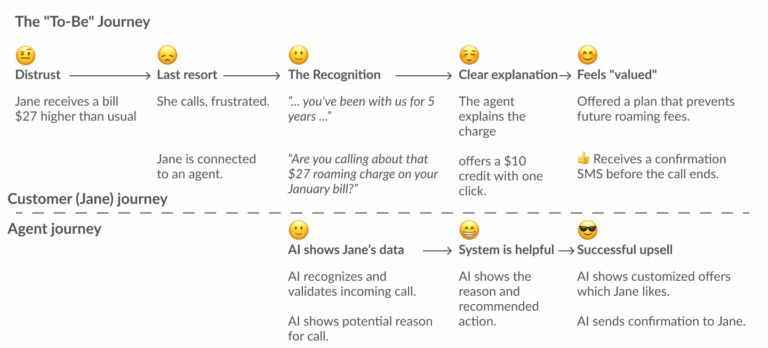
To-be journey for service design

A/B Testing 

Creating and testing the concepts live


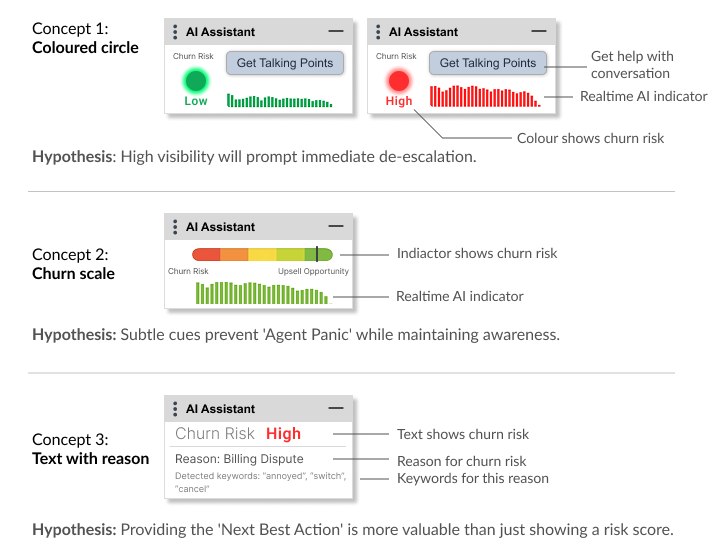
Churn risk indicator concepts
I found that seeing a 'Red' risk score wasn't enough (Challenge 1: Trust Gap).
Agents needed to know why the risk was high to believe the AI.
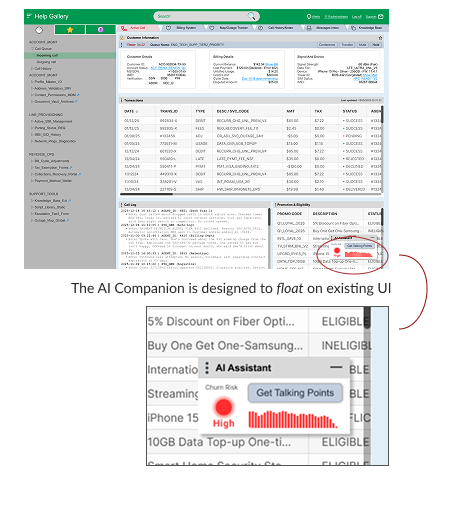
Example of concept 1 on existing UI for testing​

Learnings from testing

1. The Lag Challenge (Technical): AI took 3 seconds to load.

2. The Trust Gap (Psychological): Most agents ignored AI warnings.

Feedback from agents

3. Most agents requested help to navigate difficult conversations

4. Many agent miss cross-sell opportunities while manually calculating complex orders.

5. Many agents  reported that they retype conversations after the call. This increases After-Call Work (ACW).

Final designs

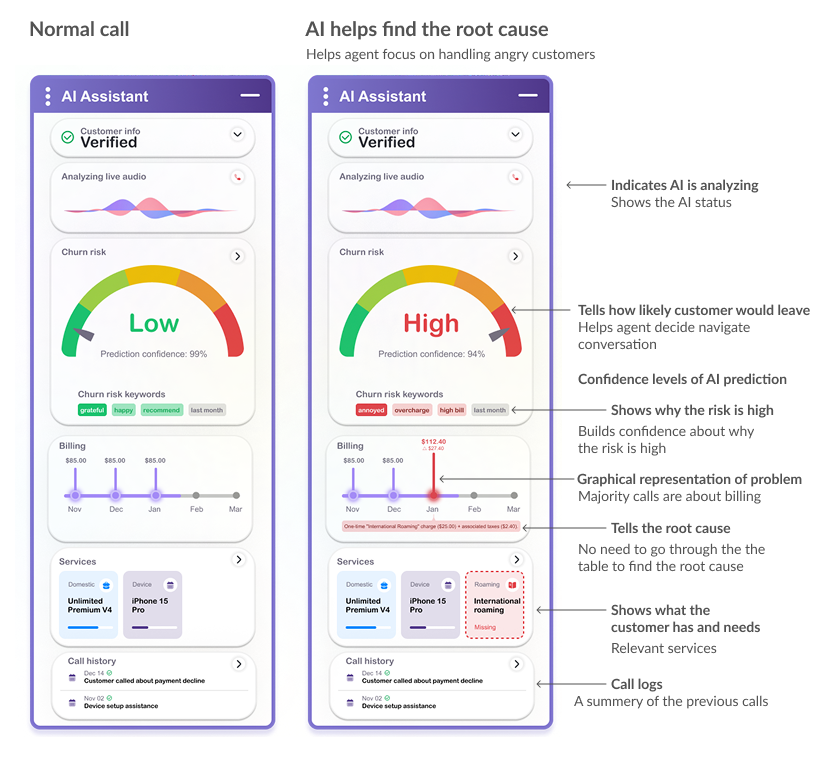
The final designs showing two possible states: Smooth call and a difficult call

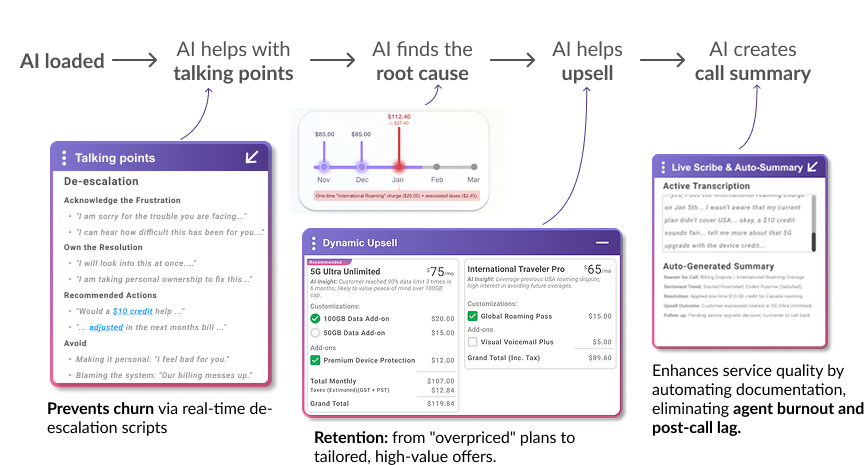
AI assists the agents in all the functions
Launched Designs

Overcoming Technical & Psychological Hurdles

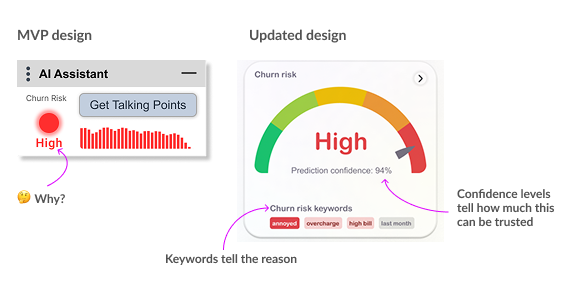
Challenge 1: The Trust Gap (Psychological)

Problem: Agents ignored AI churn warnings due to low trust.

Solution: Introduced “why” context (e.g., billing disputes), raising trust by 40%.


Building trust through transparency by adding reasons for AI predictions
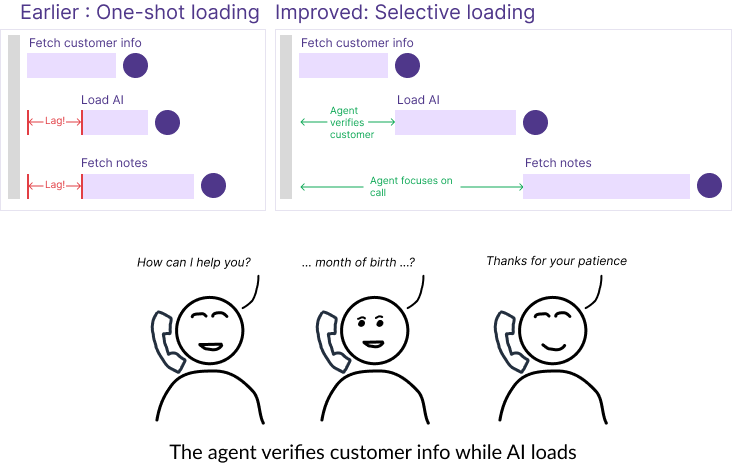
Challenge 2 : The Lag Challenge (Technical):

Problem: MVP showed a 3-second latency for AI processing.

Solution: To prevent "dead air" on the call, I designed a Progressive Loading Sequence.


Progressive loading for overcoming AI latency in the final launch
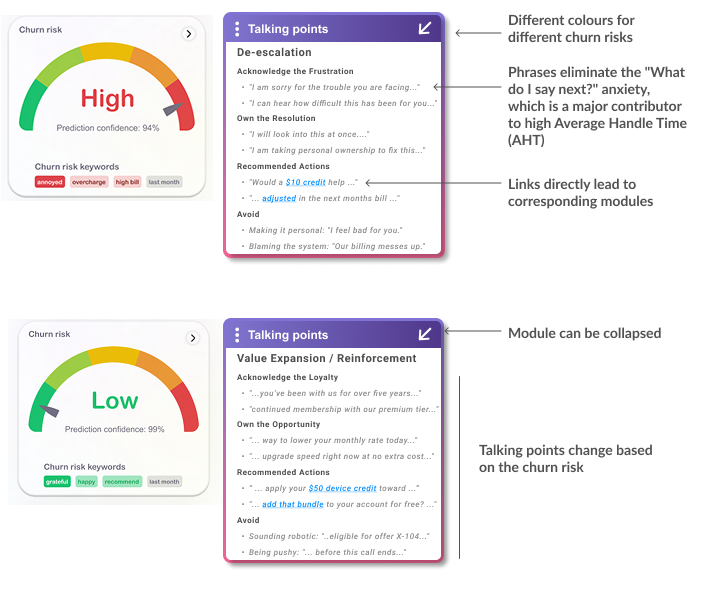
Challenge 3: Helping agents navigate difficult conversations

Problem: Agents needed polished script to speak to customers

Solution: Low cognitive load, AI generated talking points that agents can use

Example of talking points that help agents navigate difficult conversations.

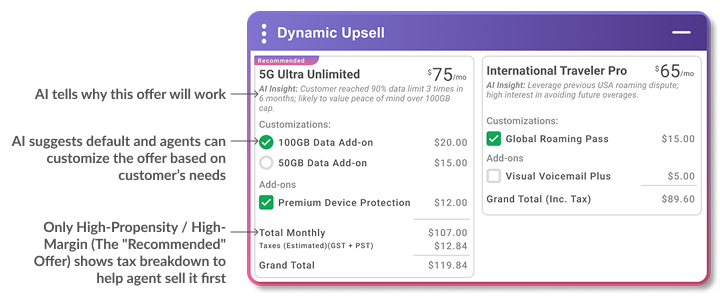
Challenge 4: Identifying and capturing sales opportunities

Problem: Agents miss cross-sell opportunities while manually calculating complex orders.

Solution: An AI engine that instantly surfaces high-propensity offers with reasoning.

AI shows the offers customer is most likely to buy

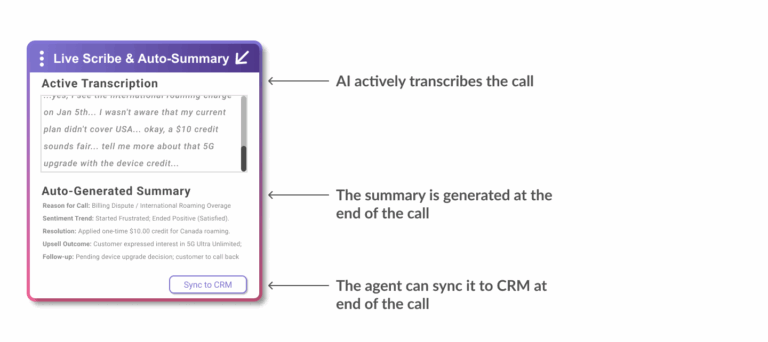
Challenge 5: Automating post-call documentation

Problem: Agents retype conversations after the call. This increases After-Call Work (ACW).

Solution: Structured AI generated CRM ready transcript.

Live Scribe: Automates documentation by capturing resolution and sentiment in real time.

Results

Quantifiable Impact on Business & People

Ultimately, this design turned the call center from a high-friction 'cost center' into a proactive 'retention engine,' proving that better UX for AI in workflow reduces churn